Resources
Mutations are a family matter


Not a real patient
or caregiver.


If one parent has a BRCA mutation, each child has 50% chance of inheriting the mutation.
Detecting a BRCA mutation could help inform other members of your family that they may have an increased risk of developing certain cancers and make informed decisions about their health
Learn how Jessica, a real
breast cancer patient, took charge of her health by getting BRCA tested after learning she was at risk of inheriting the BRCA mutation
from her mother.
What if You Have an Inherited BRCA Mutation?
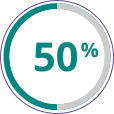
Your children each have a 50% chance of inheriting the mutation
Your siblings (brothers or sisters) each have a 50% chance of carrying the mutation
Your siblings (brothers or sisters) each have a 50% chance of carrying the mutation
One of your parents also carries the mutation and it can come from your mother or father, so both should consider testing to inform additional family members' risk
-
children-siblings
-
siblings-parents
Your children each have a 50% chance of inheriting the mutation
Your siblings (brothers or sisters) each have a 50% chance of carrying the mutation
One of your parents also carries the mutation and it can come from your mother or father, so both should consider testing to inform additional family members' risk
-
children-mutation
-
siblings-mutation
-
parents-mutation
It’s important to know if your family has a history of BRCA
mutations so that you and your family can take action.


Not a real caregiver
or patient.
How Should You Inform Your Family About Their Risk?
Facing Our Risk of Cancer Empowered (FORCE) offers tips for talking to your family about hereditary cancers.
Visit FORCE >
AstraZeneca is not affiliated with the organization above and does not control, review, or endorse third-party content and is not responsible for the content.
Talk to your doctor or a genetic counselor if you’re concerned
about your family’s risk.